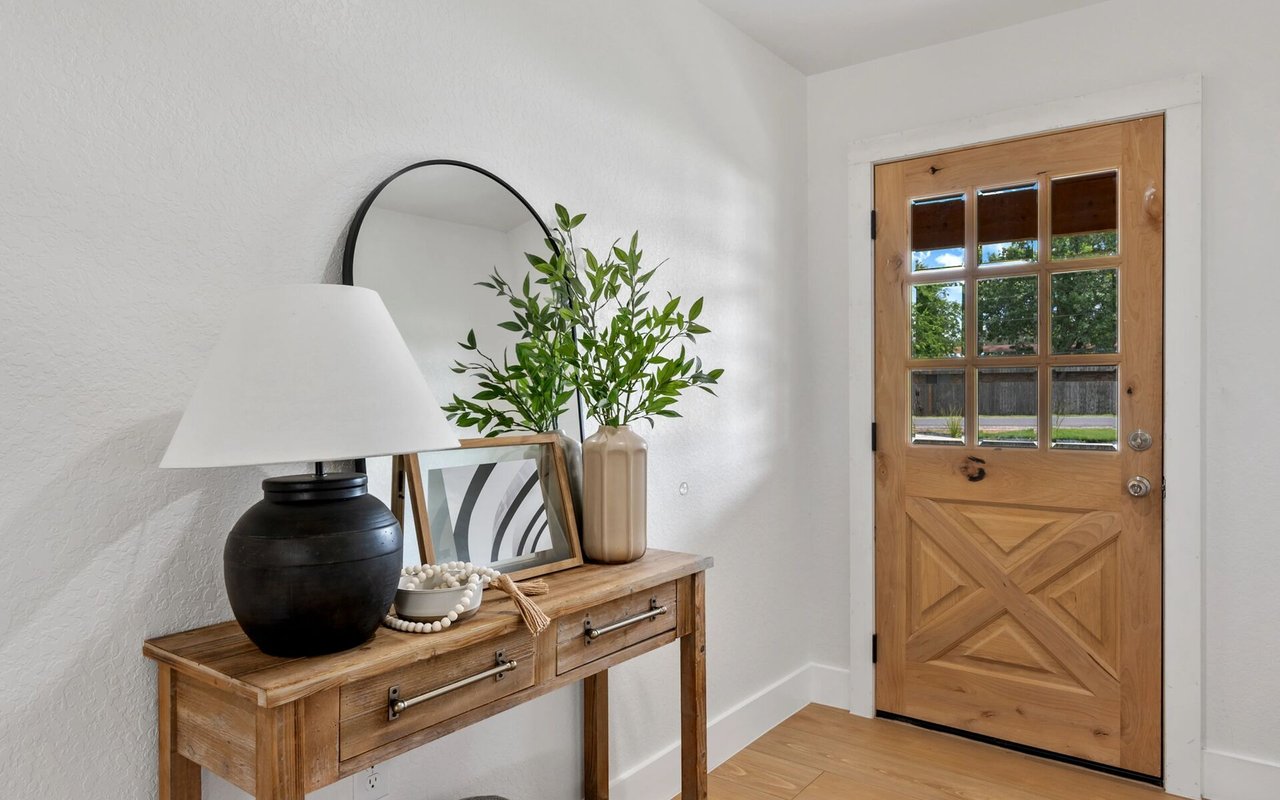
Austin Real Estate Investment Trends and Opportunities
Chris Hitchcock September 5, 2026
Chris Hitchcock September 5, 2026
Austin has entered a different phase of its real estate story.
The city is still growing. Major employers are investing, infrastructure is expanding, new residential communities are taking shape, and billions of dollars are being committed to transportation, hospitality, healthcare, technology and mixed-use development.
But the market is no longer defined by the frenzy of the early 2020s.
For real estate investors, that shift matters.
Today’s Austin market offers something different: more inventory, more negotiating room, a wider range of opportunities and a greater need to understand the details behind the headline numbers.
Mortgage rates remain elevated, residential prices have adjusted from their recent highs, and developers are becoming more selective about what gets built. At the same time, major projects across Austin and Central Texas are creating new centers of employment, housing, entertainment and infrastructure.
For investors with a longer view, that combination is worth watching.
Austin’s residential market has moved into a more balanced phase after years of rapid appreciation.
Realtor.com reported a median list price of approximately $474,000 in June 2026, down 9.8% from the prior year. At the same time, homes were spending a median of 63 days on the market, while Austin still had more than 12,400 active listings.
That tells an important story.
Buyers have more choices than they did during the most competitive years of the pandemic-era market. Sellers are having to compete more directly on price, condition and terms. Investors have more time to underwrite a property rather than making decisions under extreme time pressure.
That doesn't mean every Austin property is a bargain.
It means the market has become more nuanced.
Location, rental demand, property type, purchase basis, financing structure and proximity to employment and infrastructure all matter more than simply betting on Austin's overall growth.
Mortgage rates remain one of the biggest variables for Austin real estate investors.
As of September 3, 2026, Freddie Mac reported the average 30-year fixed mortgage rate at 6.71%, while the 15-year fixed rate averaged 6.04%.
Rates have moved higher during the summer. The 30-year average was 6.43% on July 2 and reached 6.71% by September 3.
For investors, the lesson isn't simply that rates are "high."
The more useful question is whether a property still works at today's financing cost.
A common mistake is buying a property based on the assumption that rates will eventually fall.
Perhaps they will. Perhaps they won't move as quickly as expected.
A stronger investment strategy is to make the numbers work under current conditions and treat a future refinance as potential upside rather than part of the original investment thesis.
That means looking carefully at:
The goal isn't to predict the future perfectly.
It's to buy an asset that gives you enough margin for the future to be different than expected.
Higher borrowing costs have affected both buyers and developers.
For individual buyers, higher monthly payments can reduce purchasing power. For investors, higher debt costs can compress cash flow. For developers, higher financing costs can make marginal projects harder to justify.
That creates an interesting dynamic.
Austin still has enormous long-term development momentum, but the development pipeline itself has become more selective.
The Downtown Austin Alliance says Austin's downtown development pipeline has contracted over the past three years, allowing the market time to absorb recently delivered projects and stabilize occupancy. Six downtown projects totaling approximately 2.94 million square feet were under construction as of 2026.
In other words, Austin isn't stopping.
It's digesting.
And for investors, periods of digestion can create opportunities.
One of the most important questions for a real estate investor isn't simply:
What is the market doing today?
It's:
What is being built around the property?
New infrastructure, employment centers, entertainment districts, housing and public spaces can change the investment profile of a neighborhood over time.
Here are several Austin-area developments worth watching.
Austin's newest major skyline addition is Waterline, a 74-story mixed-use tower in the Rainey Street district.
The approximately 1,025-foot tower is now the tallest building in Texas. The project includes apartments, a hotel, office space, restaurants, retail and other mixed-use components.
The hotel component, 1 Hotel Austin, opened in 2026 and occupies the lower portion of the tower. The broader project adds another major destination to the Rainey Street and Waller Creek area.
For investors, the significance goes beyond the height of the building.
Waterline is part of a larger transformation around the eastern edge of Downtown Austin and Lady Bird Lake, where residential, hospitality, public-space and entertainment investments are increasingly interconnected.
Austin's urban development story isn't only about buildings.
Waterloo Greenway's Confluence opened in June 2026, adding approximately 13 acres of restored parkland and trail along Waller Creek between Fourth Street and Lady Bird Lake. The project includes bridges, gathering spaces, landscaping and an off-street pedestrian and bicycle connection.
Future phases are planned to expand the connected greenway system.
For real estate investors, public realm improvements can be significant because they influence how people use a neighborhood.
Walkability, parks, trails, restaurants and gathering spaces don't replace strong investment fundamentals, but they can contribute to a property's long-term desirability.
Downtown Austin is also undergoing a major convention-center redevelopment.
The Austin Convention Center redevelopment is a roughly $1.6 billion project, with construction continuing toward a planned 2029 reopening.
A major convention center matters to more than convention attendees.
It can influence hotel demand, restaurants, retail, entertainment, transportation and business activity throughout the surrounding downtown district.
Investors looking at hospitality, multifamily or mixed-use opportunities should pay attention to how this project interacts with other downtown investments.
Austin's airport is undergoing a multibillion-dollar expansion through the Journey With AUS program.
Current work includes a new 7,000-space Yellow Parking Garage, terminal improvements, an expanded West Gate and additional taxiway infrastructure. The overall program is expected to continue into the early 2030s.
Why does an airport matter to real estate?
Because airports connect a city to the people and companies driving its economy.
Improved capacity can support business travel, tourism and corporate activity. For properties in Southeast Austin and other airport-accessible areas, transportation improvements are worth tracking alongside residential and commercial development.
One of the most interesting development stories outside the downtown core is River Park on East Riverside.
The planned 109-acre mixed-use development is expected to include housing, office space, retail, restaurants, parks and trails. A new approximately 4,000-capacity music venue is planned as part of the first phase, with the venue targeted for 2027.
East Riverside has already undergone significant change.
Projects like River Park could accelerate the area's transition from a primarily residential corridor into a more comprehensive live-work-entertainment district.
For investors, this is precisely the type of development that deserves attention: large enough to potentially alter how an entire corridor functions, but still early enough that the surrounding real estate story is evolving.
Transportation infrastructure can be one of the most important long-term factors in real estate.
Austin's Project Connect plan includes expanded transit, light rail, rapid bus service, park-and-rides and other transportation improvements. The plan also includes funding for housing near future transit lines.
The project has taken longer than originally anticipated, and parts of the broader program have moved at different speeds.
Still, the long-term concept matters.
If transit makes it easier for people to move between employment centers, neighborhoods and Downtown Austin, properties near future transportation infrastructure may benefit from increased accessibility.
Investors should be careful, however, about pricing a property today based solely on a future transit promise.
A planned station is not the same as an operating station.
The I-35 Capital Express Central project is another piece of Austin's infrastructure story.
The program is intended to improve safety and mobility along approximately 28 miles of I-35 through Austin. Downtown Austin planning efforts are also examining how the lowering of highway lanes could create new public-space opportunities in the center of the city.
Infrastructure projects of this scale can create both opportunity and disruption.
Near-term construction can affect traffic, noise and accessibility. Longer term, improved connections and new public spaces can change the relationship between neighborhoods that have historically been separated by the highway.
For investors, both sides of that equation matter.
Another project to watch is the redevelopment of the St. John site.
In June 2026, the City of Austin finalized the sale of a 19-acre site to the South Congress Public Facility Corporation, with a public-private partnership involving the Housing Authority of the City of Austin and Greystar.
The redevelopment is planned as a mixed-income, mixed-use community designed around the St. John neighborhood.
Projects like this are important because they demonstrate where Austin's development conversation is heading: not simply building more housing, but combining housing with community needs, commercial uses and neighborhood investment.
Austin's Downtown development pipeline is no longer growing at the pace seen during the city's previous expansion cycle.
According to the Downtown Austin Alliance, eight projects totaling approximately 3.94 million square feet were delivered downtown in 2025. Six projects totaling approximately 2.94 million square feet were under construction in 2026.
That slowdown can actually be constructive.
When a market receives a large amount of new inventory, landlords and developers need time to lease, sell and stabilize that supply.
For investors, this creates a more interesting question than "Is Austin growing?"
The question becomes:
Which properties are positioned to benefit as the market absorbs new supply?
One of the biggest proposed developments in the Austin area is Dog's Head, a roughly 2,600-acre proposed mixed-use development in Southeast Austin.
The proposal could include housing, businesses, parks, industrial uses and potentially data centers. It remains in the planning process, so the eventual project could differ significantly from the current proposal.
This is a good example of why investors should distinguish between:
A proposed project can influence speculation and land values, but it shouldn't be treated as a completed amenity.
Real estate decisions should be based on what is actually funded, entitled and moving forward—not just what appears in a rendering.
Austin real estate investment can't be analyzed entirely within Austin's municipal boundaries.
The broader Central Texas region is developing as an interconnected economic system.
Employment growth in Taylor can affect housing demand in Round Rock and Northeast Austin. Development in Bastrop can influence demand farther east. New infrastructure can change commuting patterns. Corporate investment can create entirely new housing markets around previously overlooked communities.
This is particularly important for investors searching for the next opportunity rather than simply buying into an established neighborhood.
Samsung's major semiconductor investment in Taylor is one of the most significant economic-development stories in the region.
Large-scale employment and industrial investment can create secondary demand for housing, retail, restaurants, services and transportation.
For investors, the opportunity isn't necessarily limited to buying directly adjacent to a major employer.
The more important question is often:
Where will the people who work there want to live?
That distinction can reveal opportunities in communities that are not themselves the headline.
Central Texas continues to attract technology, semiconductor, advanced manufacturing and AI-related investment.
The growth of data centers is another part of the story. A new $280 million, 200,000-square-foot AI-focused data center is planned in Hutto, with construction expected to begin in December 2026.
Data centers don't create housing demand in exactly the same way as a major corporate campus, and they also raise questions around power, water and infrastructure.
But their presence reinforces a broader trend: Central Texas is becoming increasingly important to the infrastructure behind the technology economy.
The Austin investment story is no longer simply:
Buy because Austin is growing.
That's too broad.
A better investment thesis is more specific:
Buy where population, employment, infrastructure and amenities are likely to reinforce one another—and where the purchase price still leaves room for the market to evolve.
That requires a more disciplined approach.
Some of the most compelling investment opportunities tend to appear where several forces overlap.
1. Employment
Where are people working?
Look at corporate campuses, healthcare systems, technology companies, manufacturing facilities and other major employers.
2. Infrastructure
How will people get there?
Look at highways, transit, airport access, major road improvements and planned transportation projects.
3. Amenities
Why would someone want to live there?
Look at restaurants, retail, parks, trails, entertainment, schools and neighborhood services.
4. Housing supply
How much competition is coming?
A neighborhood with strong demand can still struggle if thousands of new units arrive at the same time.
The best investment isn't necessarily in the fastest-growing neighborhood.
It's in a location where the relationship between demand and supply makes sense.
Investors evaluating Austin residential real estate should look beyond appreciation.
Rental demand can be an important component of an investment strategy, particularly when higher interest rates make short-term resale less attractive.
Before purchasing a rental property, investors should evaluate:
New apartment construction is particularly important.
A neighborhood can experience population growth while rents remain under pressure if developers deliver a large amount of new rental inventory simultaneously.
This is one reason market-level data isn't enough.
The right question isn't simply whether Austin rents are rising.
It's whether your specific property can remain competitive.
Austin's enormous construction pipeline has produced an unusual situation for buyers and investors.
New construction can compete with existing homes, particularly when builders offer incentives such as closing-cost assistance, rate buydowns or upgrades.
That can put pressure on owners of older properties.
But it can also create opportunities.
An investor may be able to purchase an established property at a discount to new construction, renovate it strategically and compete on location, lot size, character or price.
The key is understanding what the buyer or renter is actually comparing.
A 20-year-old home doesn't need to beat a brand-new home on every feature.
It needs to offer enough value to win the decision.
There is no universal yes or no.
The better answer depends on the investment horizon and the asset.
Austin continues to benefit from major employment, infrastructure and development investment. At the same time, today's market has more supply, higher financing costs and more competition than investors faced during the boom years.
That makes the market less forgiving of a weak purchase.
It also makes disciplined investing more important.
For a long-term investor, today's conditions may provide advantages that weren't available when properties were selling almost immediately and buyers were competing aggressively.
You may have more time to negotiate.
You may have more inspection leverage.
You may have more inventory to choose from.
You may have more opportunities to identify motivated sellers.
And you can evaluate properties based on fundamentals rather than fear of missing out.
Austin's real estate market will continue to change.
Here are several indicators worth tracking:
Austin's market has changed.
That's not necessarily a bad thing.
The market is moving away from a period when almost any property could benefit from rapidly rising prices. Investors now have to be more selective.
That creates a healthier environment for disciplined decision-making.
The most interesting opportunities may not be the properties making the most headlines.
They may be the properties sitting one step ahead of the next wave of investment—close enough to benefit from new infrastructure and amenities, but not so far into the story that all of the future upside has already been priced in.
Austin is still being built.
The skyline is changing. Transit is expanding. The airport is growing. New neighborhoods are emerging. Major employers are investing across the region. Parks and public spaces are being reimagined. Entire corridors are taking on new identities.
For real estate investors, the opportunity is to understand where those pieces are coming together.
The next phase of Austin real estate will likely reward investors who do more than follow the headlines.
Look at the numbers.
Study the development pipeline.
Understand the neighborhood.
Know what's being built.
Know what's merely proposed.
And most importantly, understand how today's purchase price compares with the income, demand and long-term potential of the property.
Austin doesn't need to be a runaway market to be an interesting investment market.
It simply needs to keep creating reasons for people and businesses to be here.
And right now, that story is still being written.
Note: Mortgage rates and market statistics change frequently. The figures above reflect information available as of September 2026 and should be refreshed before publication if this article is intended to remain an evergreen market resource.
Stay up to date on the latest real estate trends.

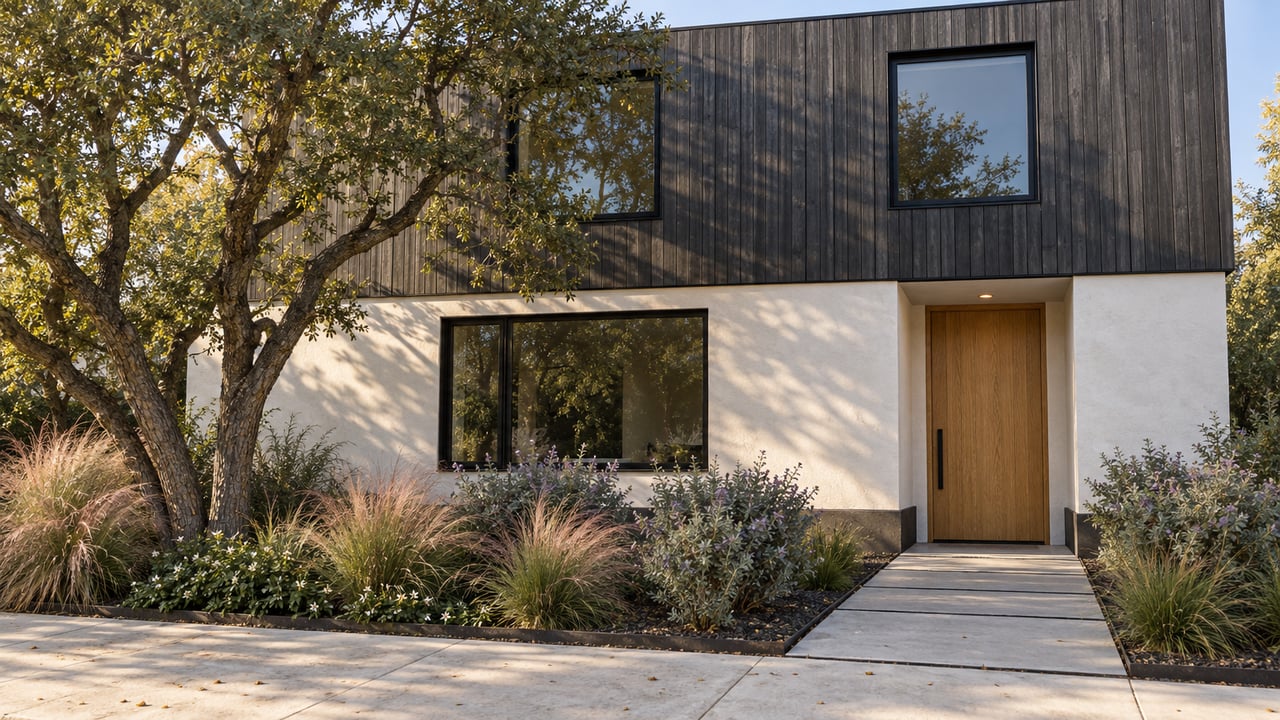
Austin's real estate market has changed considerably over the past few years.
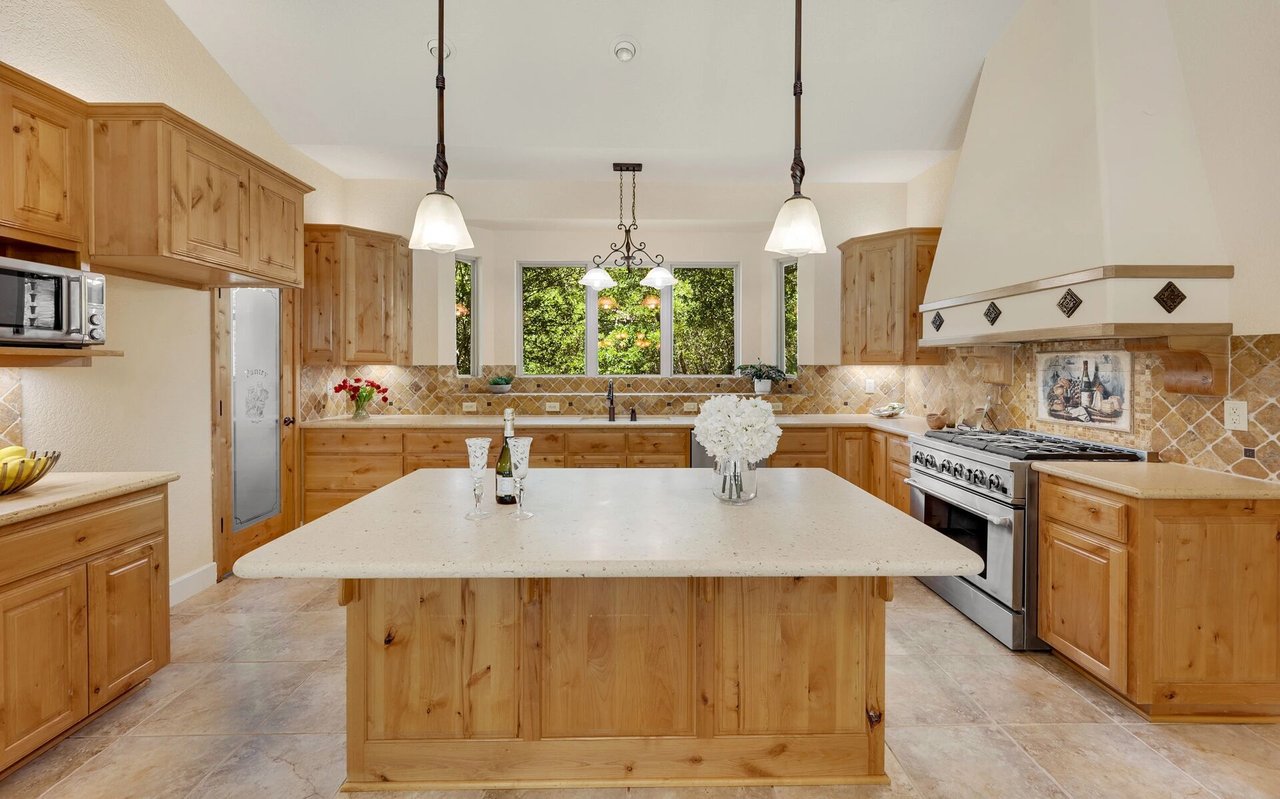
Major projects across Austin and Central Texas are creating new centers of opportunities.
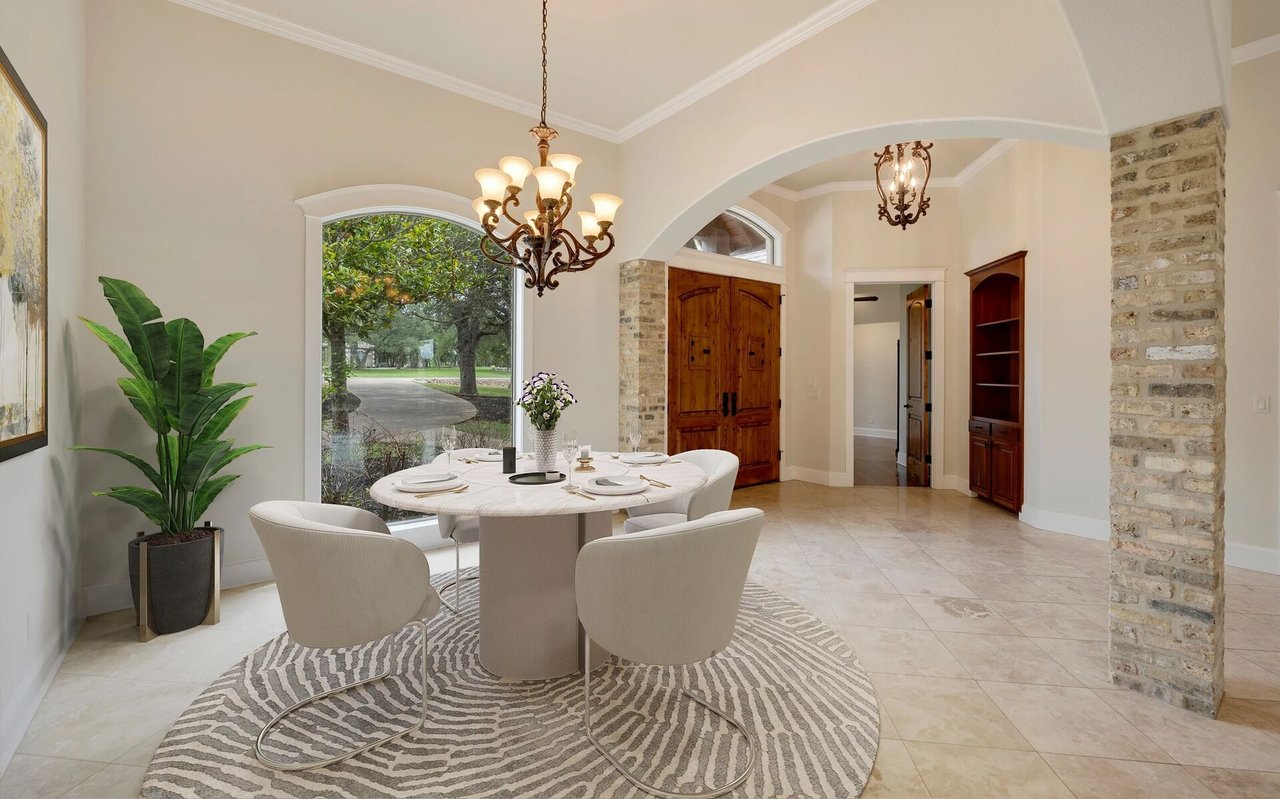
East Central Austin has become one of the city’s most closely watched areas for real estate.
Christopher Hitchcock builds, buys, manages, and sells real estate of his own. Every service he provides is backed by firsthand experience because he doesn’t just advise on real estate. He practices it.

CHRIS HITCHCOCK
1212 Guadalupe St 1100 Austin, TX 78701